Physical Address
304 North Cardinal St.
Dorchester Center, MA 02124
Physical Address
304 North Cardinal St.
Dorchester Center, MA 02124

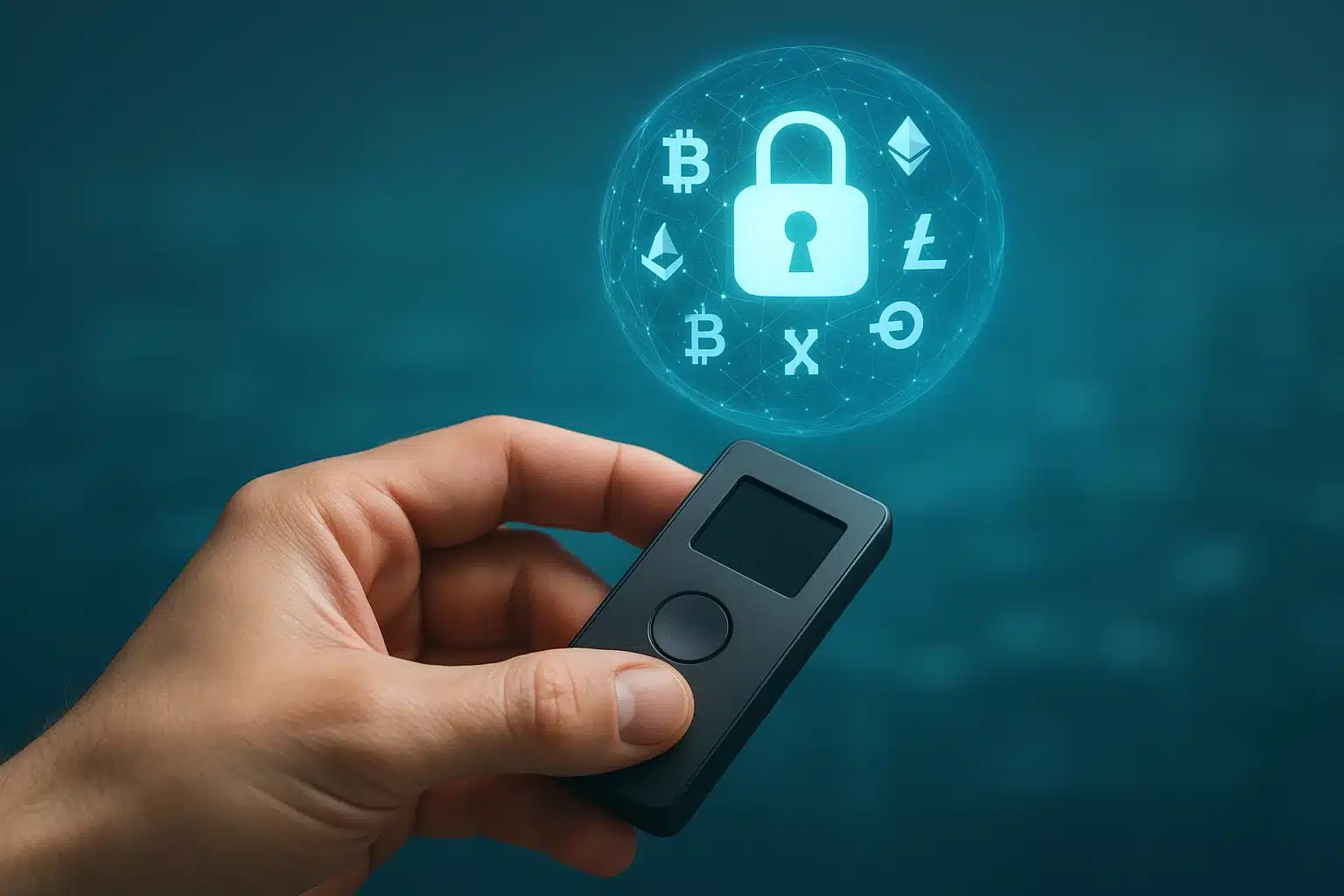
You’ve moved past the initial curiosity phase. You understand that cryptocurrency isn’t just a buzzword—it’s an asset class that 28% of U.S. adults now hold as part of their broader financial portfolio. But acknowledging the opportunity is one thing; executing it safely is another.
The transition from observer to participant often brings a wave of anxiety. Unlike traditional banking, where a forgotten password is a minor inconvenience, the world of crypto demands a higher level of personal responsibility. A single mistake in a wallet address or a misunderstood network fee can lead to irreversible loss.
At “Build Your Own Nest Egg,” we believe that financial independence is built on a foundation of literacy and control. This guide is designed to bridge the gap between theory and practice. We aren’t just telling you to buy crypto; we are walking you through the infrastructure of exchanges, the nuance of custody, and the mechanics of secure transactions so you can manage your digital assets with the same confidence you apply to your retirement planning.
Before you make your first transaction, you must decide who actually owns your assets. This isn’t a philosophical question—it is a technical reality that defines your security model.
When you buy crypto on a major exchange and leave it there, you are using a custodial wallet. The exchange holds the private keys. It’s convenient, similar to a bank account, but it comes with counterparty risk. If the exchange halts withdrawals or faces insolvency, your assets are frozen.
Self-custody means you hold the private keys. You are your own bank. This aligns with the core crypto ethos: “Not your keys, not your crypto.” However, research shows that nearly 40% of users lack confidence in custodian safety, driving a massive shift toward self-custody solutions.
If you choose self-custody, you have two primary options:
Strategic Advice: Treat your hot wallet like your physical wallet (carrying cash for daily use) and your cold wallet like a vault (for long-term savings).
Your entry point into the market matters. While there are hundreds of platforms, they generally fall into two categories.
Platforms like Coinbase or Kraken act as intermediaries. They offer high liquidity, customer support, and fiat on-ramps (connecting your bank account).
Platforms like Uniswap allow you to trade directly from your wallet without an intermediary.
The mechanism of moving money on a blockchain is different from a wire transfer. Here is how to navigate it without error.
One of the biggest shocks for new investors is transaction costs. Fees are not static; they fluctuate based on network demand.
Pro Tip: If you are simply moving value between exchanges, converting to a low-fee asset like XRP or a stablecoin on a Layer 2 network can save you significant money compared to moving Bitcoin or Ethereum directly.
With the 24.8% year-over-year increase in crypto payments users, hackers are becoming more sophisticated. Security is not a “set it and forget it” feature; it is an active habit.
Your recovery phrase (12–24 words) is the master key to your funds.
Avoid SMS-based 2FA, which is susceptible to “SIM swapping” attacks where hackers hijack your phone number. Instead, use an authenticator app (like Google Authenticator) or a hardware key (like YubiKey) to secure your exchange accounts.
When using hot wallets to interact with DeFi (Decentralized Finance) apps, you often sign permissions allowing the app to spend your tokens. If that app is malicious, they can drain your wallet. Periodically review and revoke these allowances using reputable tools.
For short-term trading, it is generally acceptable if you use a top-tier, regulated exchange. However, for long-term holding (“HODLing”), we strongly recommend moving funds to a cold wallet. History has shown that even large entities can fail.
Unlike a bank transfer, blockchain transactions are irreversible. There is no customer support hotline for the Bitcoin network. This is why the “Test Transaction” step mentioned above is non-negotiable.
Every trade, sale, or swap is a taxable event in many jurisdictions (including the U.S.). Using a manual spreadsheet is nearly impossible. We recommend integrating your exchanges and wallets with reputable crypto tax software that auto-generates your reports.
Managing cryptocurrency requires a shift in mindset from passive reliance on banks to active ownership of your assets. It offers unparalleled freedom and control, but it demands diligence. By selecting the right storage solution, understanding network fees, and rigorously applying security protocols, you transform crypto from a speculative gamble into a secure component of your financial future.
As you build your own nest egg, remember that the goal isn’t just to acquire assets—it’s to keep them. Start with small amounts, get comfortable with the mechanics of transfers, and never compromise on security. Your financial independence is worth the extra step.